Quick answer
Plan your week's meals roughly, then buy vegetables in the right mix: a small amount of delicate greens for the first few days and hardier vegetables for later in the week. Store each type correctly, cook the most perishable vegetables first and turn small leftovers into kootu, sambar or mixed poriyal.
Key takeaways
- Plan meals first, then shop for those meals.
- Cook delicate vegetables early in the week and hardy ones later.
- Store each vegetable in the right place.
- Use small leftovers in sambar, kootu or mixed vegetable dishes.
Why vegetables get wasted
Most vegetable waste happens for the same reasons: buying more than the family will eat, buying delicate vegetables too early, storing them badly and forgetting what is at the back of the fridge. A simple weekly plan solves all of these.
Step 1: Sketch your week
Before shopping, jot down what you might cook for each day. It does not have to be exact. For example: keerai kootu and beans poriyal early in the week, sambar with drumstick and okra fry mid-week, and cabbage, carrot or gourd dishes towards the end. This tells you which vegetables you need and roughly how much.
Step 2: Buy the right mix
Divide your shopping into three groups by shelf life.
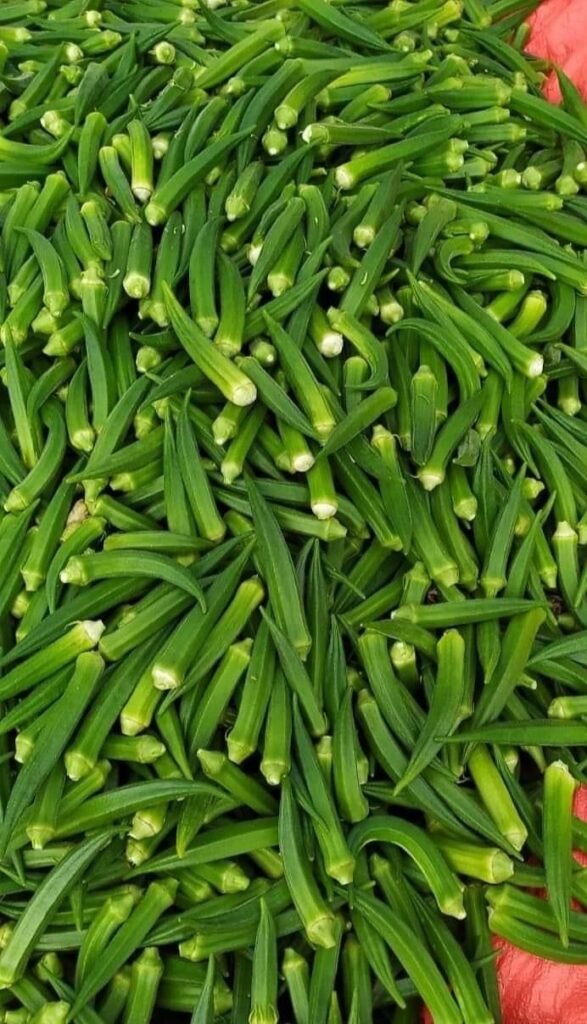
- Use within 2 to 3 days: greens, coriander, mint, okra, mushrooms.
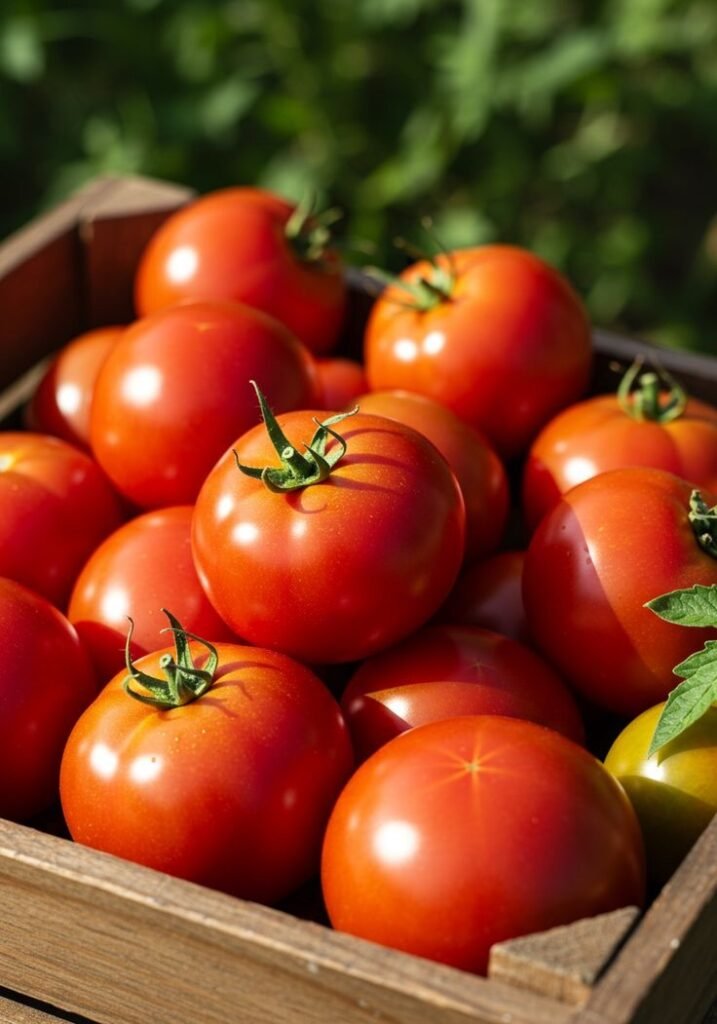
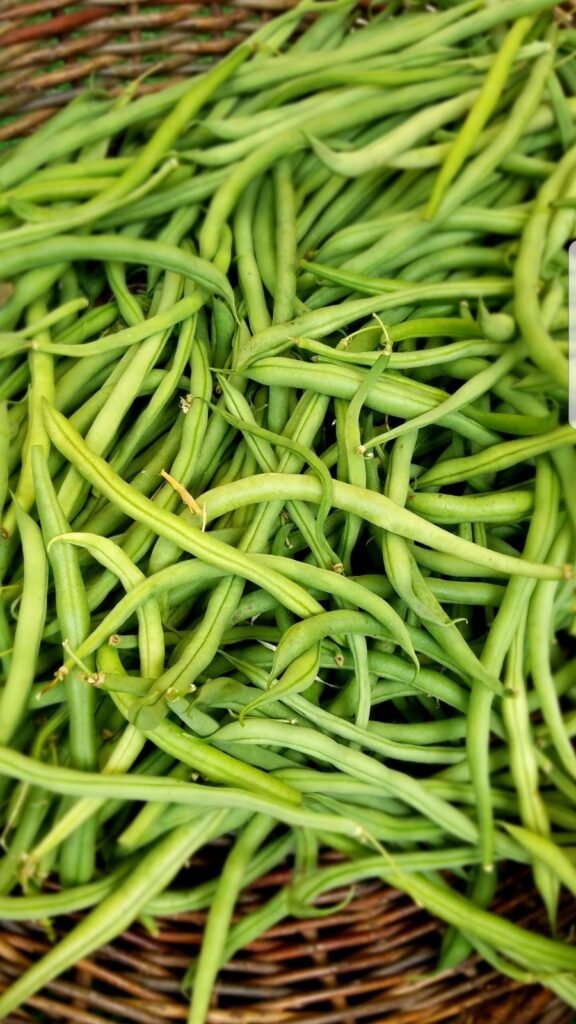
- Use within 4 to 5 days: beans, brinjal, tomatoes, capsicum, cucumber, drumstick.
- Use within 7 days or more: carrots, beetroot, cabbage, gourds, pumpkin, potatoes, onions.
Step 3: Estimate quantities
A useful rule of thumb is about 150 to 200 g of vegetables per person per main meal, including the vegetable in sambar and the side dish. For a family of four eating two vegetable-based meals a day, that is roughly 1.5 kg a day, or 8 to 10 kg a week. Adjust for how much your family actually eats; after two weeks you will know your number.
Step 4: Store as soon as you get home
Do not leave the bag on the counter. Put greens wrapped in a dry cloth into the fridge, beans and carrots into the vegetable drawer, and onions, potatoes and pumpkin into a cool, airy basket. Place vegetables you will cook first at the front where you can see them.
Step 5: Cook in order
Follow the plan: delicate vegetables in the first two or three days, medium ones mid-week and hardy ones at the end. If plans change, swap meals around rather than letting greens wait.
Use up small leftovers
Half a carrot, a few beans and a piece of cabbage rarely make a dish on their own, but together they do.
- Add mixed leftovers to sambar or kootu.
- Make a mixed vegetable poriyal or aviyal.
- Use them in upma, kichadi or vegetable rice.
- Blend soft tomatoes into chutney or rasam.
Top up instead of overbuying
If you are unsure, buy a little less. A mid-week top-up of greens and tomatoes is better than throwing away a bag of wilted vegetables. At Sarvajana Stores in Pappampatti, you can drop in for a quick top-up or send a short WhatsApp list for delivery.
Questions
Frequently asked questions
A rough guide is 150 to 200 g per person per main meal. A family of four eating two vegetable-based meals a day may need around 8 to 10 kg a week. Adjust after a couple of weeks.
Shop this at Sarvajana Stores