Quick answer
Choose vegetables that feel firm and heavy for their size, have bright, even colour, smell fresh, and show no soft patches, wrinkles, mould or sprouting. Buy leafy greens and soft vegetables in small amounts, and hardy roots and gourds in larger quantities.
Key takeaways
- Firm, heavy and bright is the simplest test for most vegetables.
- Check the stem end and cut surfaces; they show freshness first.
- Buy delicate vegetables in small amounts and hardy ones for the week.
- Plan meals before you shop so you only pick what you will cook.
Why choosing well matters
Fresh vegetables taste better, cook more evenly and last longer at home. A tired brinjal or limp bunch of greens might be cheaper on the day, but it spoils faster and often ends up in the bin. Choosing well is less about being fussy and more about getting full value from what you pay for.
The good news is that you do not need special knowledge. A few quick checks, done with your eyes, hands and nose, will help you pick well at any shop or market, whether you are buying for one meal or for the whole week.
The four checks that work for almost every vegetable
Most vegetables tell you how fresh they are in the same few ways. Run through these four checks and you will avoid most bad buys.
- Look: colour should be bright and even for that vegetable. Dull, patchy or yellowing skin usually means age.
- Touch: press gently. Firm vegetables should feel firm, with no soft or sunken spots. Wrinkled skin means moisture loss.
- Lift: a fresh vegetable feels heavy for its size because it is still full of water. Light ones are drying out.
- Smell: fresh produce smells clean and green, or of nothing at all. A sour or fermented smell is a warning sign.
Check the stem end and any cut surfaces
The stem end is where a vegetable starts to age first. On brinjal, capsicum and gourds, a green, fresh-looking stem is a good sign. A dry, brown or shrivelled stem tells you the vegetable has been off the plant for a while.
Cut surfaces work the same way. On cabbage, cauliflower and greens bundles, look at where the stalk was cut. Pale and moist is fresh; dark, dry or slimy is old.
Leafy greens: buy them crisp and use them fast
Keerai, coriander, mint, curry leaves and other greens are the most delicate items in your bag. Pick bunches with upright, crisp leaves and strong colour. Avoid bunches with yellow leaves, slimy patches near the roots, or a wet, crushed centre.
Because greens lose freshness within a day or two, buy only what you will cook soon. If you cook keerai twice a week, buy it twice a week rather than all at once.
Root vegetables, gourds and hardy vegetables
Carrots, beetroot, radish, potatoes and onions should be firm with smooth skin and no sprouts, green patches or soft ends. Carrots should snap rather than bend.
Gourds such as bottle gourd, ridge gourd, snake gourd and ash gourd should feel heavy and firm, with tender skin. Very large gourds are often overgrown and can be seedy or fibrous, so medium sizes are usually the better buy. Pumpkin pieces should have bright, moist flesh and seeds that are not slimy.
Tomatoes, onions and the everyday basics
Tomatoes and onions go into almost every South Indian dish, so it pays to choose them carefully. Pick tomatoes that are evenly coloured and firm with a little give. If you will use them over several days, mix a few ripe ones with some that are still slightly firm.
Onions and small onions should be dry, tight and heavy, with papery skin and no soft neck or black powder under the skin. Garlic bulbs should be firm with cloves that do not move when pressed. Green chillies should be glossy and stiff, not wrinkled.
Simple habits that make every shopping trip better
Good choices start before you reach the shop. A rough plan of what you will cook in the next few days stops you from overbuying and helps you match freshness to timing.
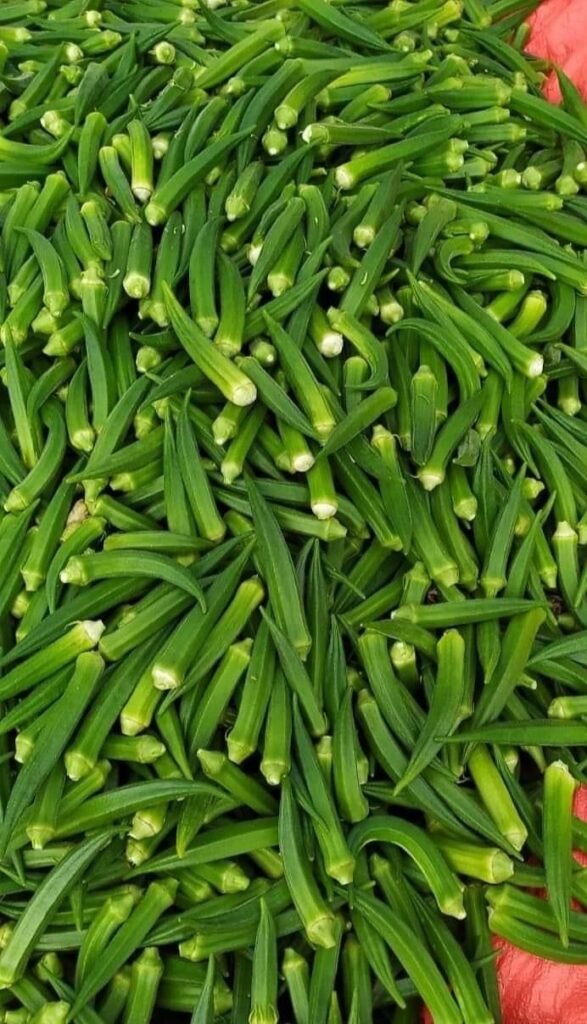
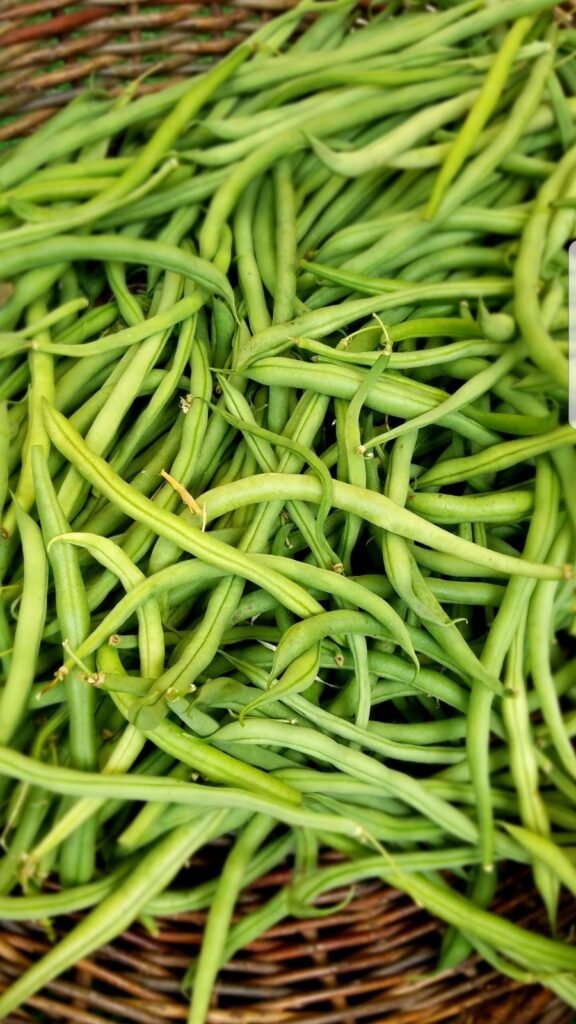
- Cook delicate vegetables like greens, beans and okra first; keep hardy ones like gourds, carrots and cabbage for later in the week.
- Buy in the morning when stock is freshest, especially for greens.
- Do not wash vegetables before storing; moisture speeds up spoilage.
- Ask the shopkeeper what came in today. A good local store will tell you honestly.
Buying fresh vegetables in Pappampatti
At Sarvajana Stores in Pappampatti, we stock daily vegetables, greens and country vegetables alongside our groceries and provisions, so you can pick up your vegetables and monthly items in one trip. If you prefer, send your vegetable list on WhatsApp and we will pick and pack it for you with the same care.
Questions
Frequently asked questions
Look for bright, even colour, press gently for firmness, lift to check that it feels heavy for its size, and smell for a clean, fresh scent. Avoid soft spots, wrinkles, mould and sprouting.
Shop this at Sarvajana Stores