Quick answer
Each vegetable has its own freshness signs. Okra should snap at the tip, brinjal should be glossy with a green stem, beans should snap cleanly, gourds should feel heavy and firm, and greens should be crisp with no yellowing. Across all vegetables, avoid soft spots, wrinkles, mould and bad smells.
Key takeaways
- Snap tests work well for okra, beans and carrots.
- Glossy skin and a green stem are good signs for brinjal and capsicum.
- Heavy for its size usually means fresh and full of water.
- When in doubt, ask what arrived fresh today.
Why each vegetable is different
General rules like firmness and colour help, but every vegetable ages in its own way. Okra turns stringy, beans go limp, gourds become seedy and greens yellow. Knowing the specific signs for the vegetables you buy most often makes you a faster, more confident shopper.
Here is a quick guide to the vegetables most Tamil households buy every week.
Okra (vendakkai)
Fresh okra is bright green, firm and slightly fuzzy. Try bending the tip: it should snap cleanly. If it bends without breaking, the okra is old and will be fibrous. Pick small to medium pods, as very long pods are often tough. Avoid pods with black patches or soft ends.
Brinjal (kathirikai)
Look for glossy, tight skin with no wrinkles, and a green, fresh-looking stem and cap. Press lightly: it should spring back. Brinjals that feel very light may be seedy inside. Small holes in the skin can mean insect damage, so check carefully.
Beans, cluster beans and broad beans
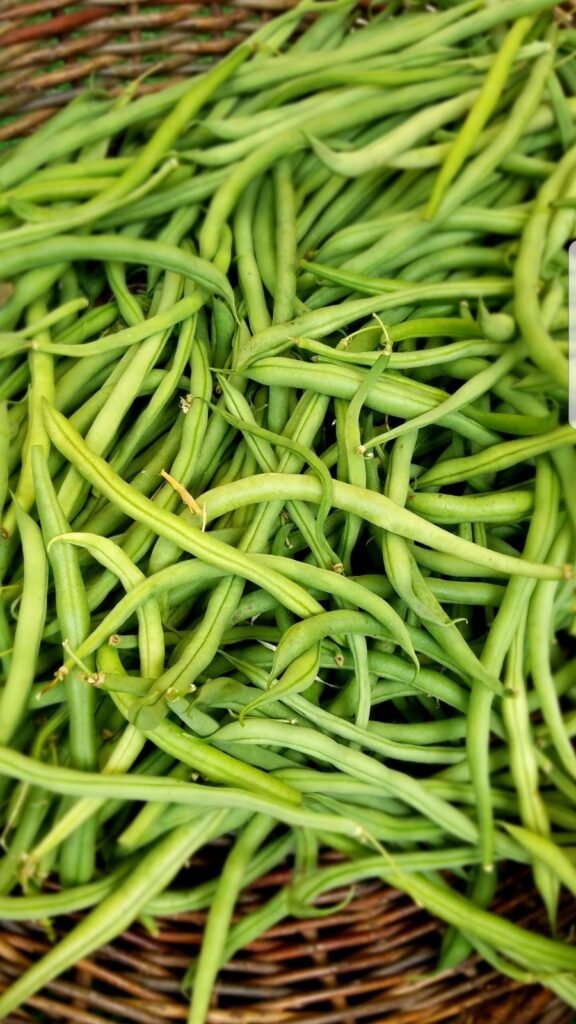
Beans should be firm and bright, and snap cleanly when bent. Limp or rubbery beans are old. The seeds inside should not bulge too much through the pod; heavy bulging means the beans are mature and may be starchy.
Gourds: bottle, ridge, snake and bitter gourd
- Bottle gourd: pale green, smooth and firm, with skin that you can mark with a fingernail. Heavy for its size.
- Ridge gourd: firm with sharp, defined ridges and no soft spots. Thin, tender ones cook best.
- Snake gourd: firm and evenly green. Very long ones can be seedy.
- Bitter gourd: bright green with firm ridges. Yellowing means it is overripe.
Tomatoes, onions and garlic
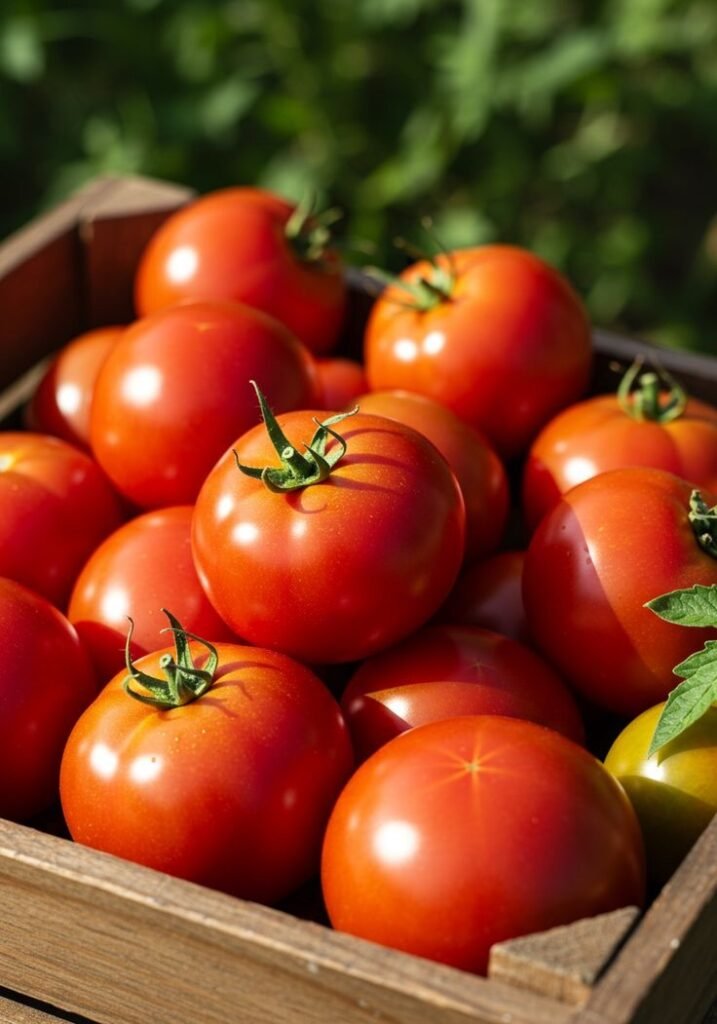
Tomatoes should be evenly red or slightly orange, firm with a little give, and smooth with no cracks or dark patches. Onions and small onions should be dry, tight and heavy with no soft neck, sprouts or black powder under the skin. Garlic bulbs should be firm with tight skin and cloves that do not move when pressed.
Leafy greens and herbs
Keerai, coriander, mint and curry leaves should have crisp, upright leaves with strong colour. Check the centre of the bunch and the roots for slime or rot, which often hides inside. A fresh smell is a good sign; a sour smell is not.
Carrots, beetroot, radish and potatoes
- Carrots: bright orange, firm, and should snap rather than bend. Avoid cracks and soft tips.
- Beetroot: firm and heavy with smooth skin. Smaller ones are usually sweeter.
- Radish: firm and white with smooth skin. Spongy radish is old.
- Potatoes: firm with no green patches, sprouts or soft spots.
Cauliflower, cabbage and capsicum
Cauliflower should have tight, creamy-white florets with no brown spots, and fresh green leaves around it. Cabbage should feel heavy and compact, with crisp outer leaves. Capsicum should be glossy and firm, with a green stem and no wrinkles.
Shop where the stock moves quickly
The freshest vegetables are usually found at stores with steady daily sales, where stock is replaced often. At Sarvajana Stores in Pappampatti, our vegetables move every day alongside our grocery sales. Ask us what came in fresh today, and we will tell you honestly.
Questions
Frequently asked questions
Bend the tip of the pod. Fresh okra snaps cleanly; old okra bends and will be stringy. It should also be bright green and firm with no black patches.
Shop this at Sarvajana Stores