Quick answer
In Tamil Nadu, gourds, cucumber, drumstick and greens are plentiful in the hot summer months; greens, beans and gourds do well in the monsoon; and the cooler months from November to February bring good carrots, beans, cabbage, cauliflower, peas and radish. Buying seasonal vegetables usually means better taste and better prices.
Key takeaways
- Seasonal vegetables are usually fresher, tastier and better value.
- Summer favours gourds, cucumber and other water-rich vegetables.
- The cooler months bring good carrots, beans, peas and cauliflower.
- Availability varies by year and rainfall, so ask your local store.
Why buy seasonal vegetables?
When a vegetable is in season, it is grown nearby in large amounts. That means it reaches the shop faster, tastes better and is usually priced better. Out-of-season vegetables are often brought in from far away, stored longer and cost more.
Coimbatore has a mild climate compared to much of Tamil Nadu, and many vegetables are available most of the year. Even so, quality and price shift with the seasons, and planning around them helps your kitchen and your budget.
A note on this guide
Seasons in Tamil Nadu are not fixed to the calendar, and rainfall changes from year to year. Hill vegetables from the Nilgiris also reach Coimbatore markets through much of the year. Treat this guide as a general pattern rather than a strict rule, and ask your local store what is plentiful each week.
Summer (roughly March to June)
The hot months suit water-rich, cooling vegetables, and these are often at their most plentiful.
- Bottle gourd, ridge gourd, snake gourd and ash gourd.
- Cucumber.
- Drumstick (murungakkai).
- Raw mango for pickles and thokku.
- Amaranth and other hardy greens.
- Pumpkin.
Monsoon months (roughly June to October)
The south-west and early north-east monsoon bring rain to different parts of the state. Greens grow well, though heavy rain can damage delicate crops and affect prices for a while.
- Leafy greens such as keerai varieties.
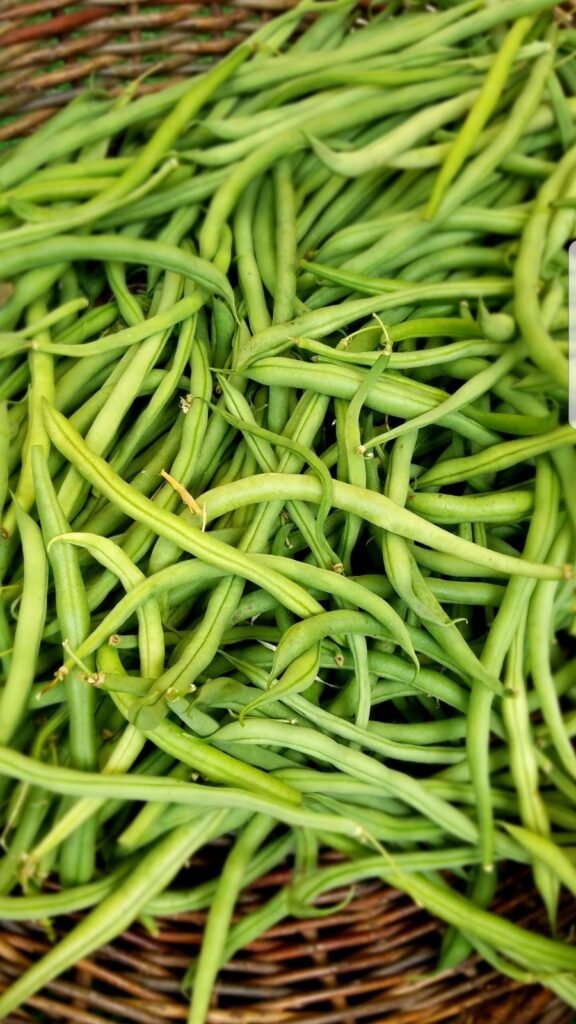
- Beans and cluster beans.
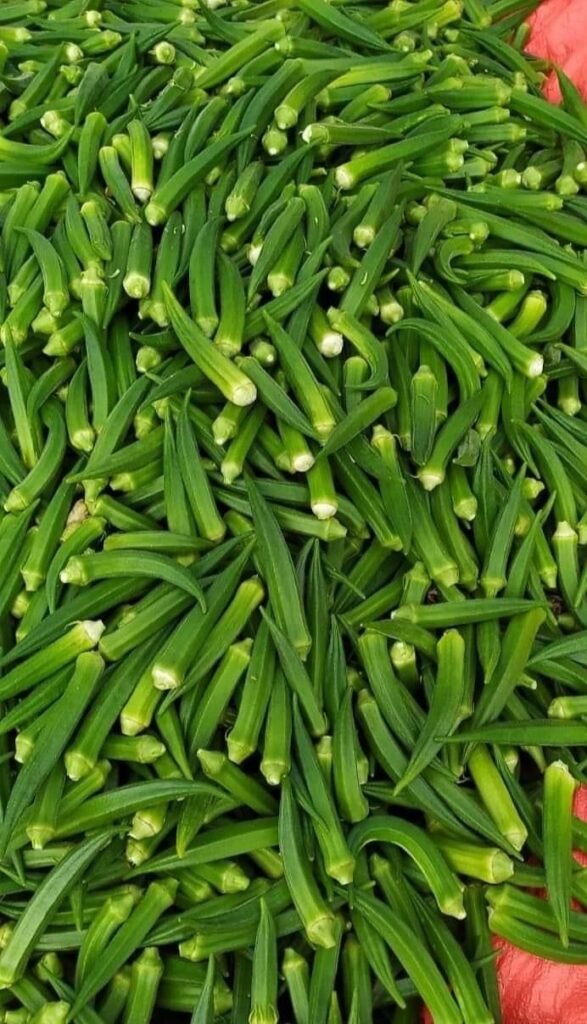
- Okra and brinjal.
- Gourds and plantain.
- Yam and colocasia (seppankizhangu).
Cooler months (roughly November to February)
The cooler, drier months bring many vegetables to their best.
- Carrots, beetroot and radish.
- Beans, peas and broad beans (avarakkai).
- Cabbage and cauliflower.
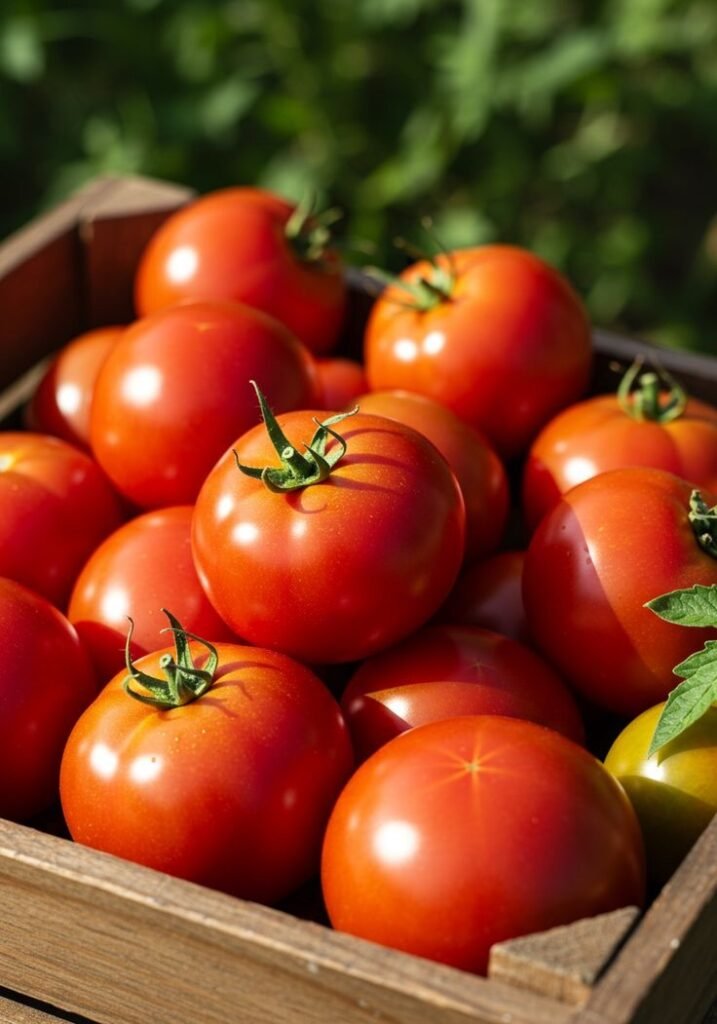
- Tomatoes, often at good prices.
- Sweet potato and tapioca.
Available most of the year
Some staples are on the shelf in nearly every season, though prices still move with supply: onions, small onions, potatoes, garlic, ginger, green chillies, coriander, curry leaves, coconut, lime and raw banana.
How to plan meals around the season
Instead of fixing a menu first and then shopping, look at what is plentiful and build meals around it. In summer, lean on gourd kootu, cucumber salads and drumstick sambar. In the cooler months, carrot and beans poriyal, cauliflower curry and pea dishes are good value. This keeps meals varied and your bill lower.
Ask your local store
The best way to know what is in season is to ask the people who buy and sell vegetables every day. At Sarvajana Stores in Pappampatti, we also buy vegetables from local farmers, so we can tell you what is fresh and plentiful this week.
Questions
Frequently asked questions
Gourds such as bottle, ridge, snake and ash gourd, cucumber, drumstick, pumpkin, raw mango and hardy greens are usually plentiful in the hot months.
Shop this at Sarvajana Stores