Quick answer
Before buying rice, check for uniform grains, few broken pieces and no dust, insects or musty smell. For pulses, look for even colour, clean grains and no holes. Spices should have strong aroma and colour. For cooking oil, check the seal, the packing and expiry dates, and the FSSAI licence number on the label.
Key takeaways
- Your senses are your best tools: look, feel and smell.
- Small holes or powder in pulses usually mean insects.
- Strong aroma is the clearest sign of fresh spices.
- Always check seal, dates and FSSAI details on packed items.
Why check before buying
Rice, pulses, spices and oil are bought in larger amounts and used every day, so a poor-quality pack affects many meals. A quick check before buying helps you avoid stale, damaged or low-quality stock and get the taste you expect.
Checking rice
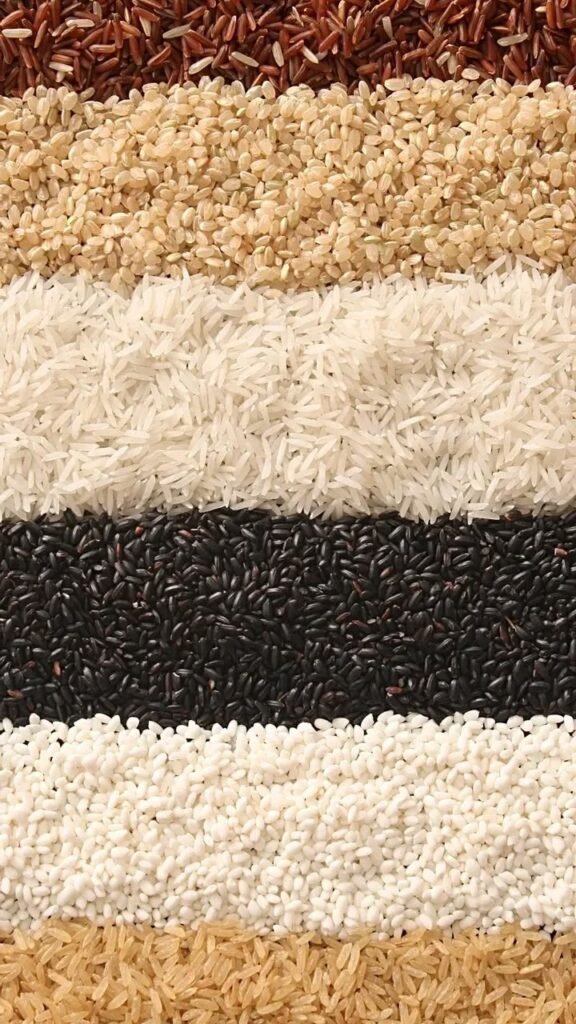
- Grains should be uniform in size and colour for that variety.
- Look for few broken grains; many broken pieces mean lower grade.
- There should be no dust, small stones or husk.
- No insects, webbing or small holes in grains.
- A clean, neutral smell. A musty smell means moisture damage.
- On packed rice, check the packing date and variety name.
Checking dals and pulses
- Even colour and size, with a natural shine for that dal.
- No tiny holes in the grains, which indicate pulse beetles.
- No powder at the bottom of the pack.
- No clumping, which suggests moisture.
- Very bright, unnatural colour can be a reason to ask questions or choose a trusted brand.
Checking spices and masalas
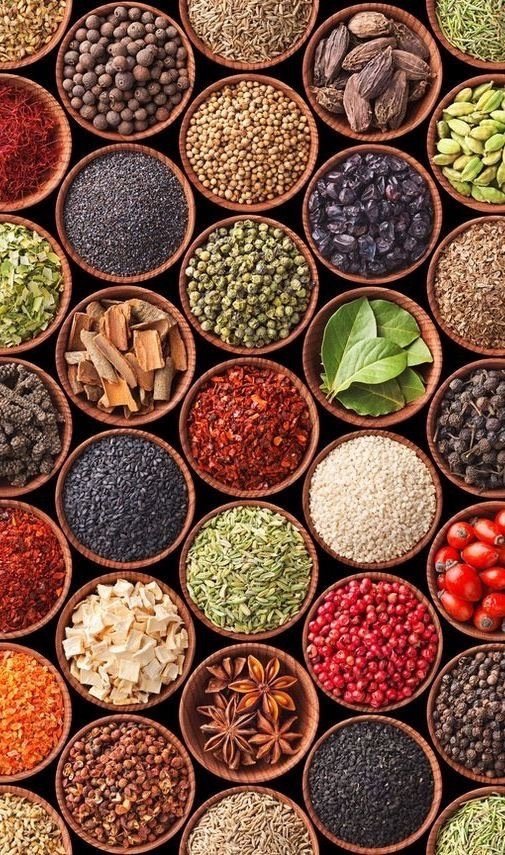
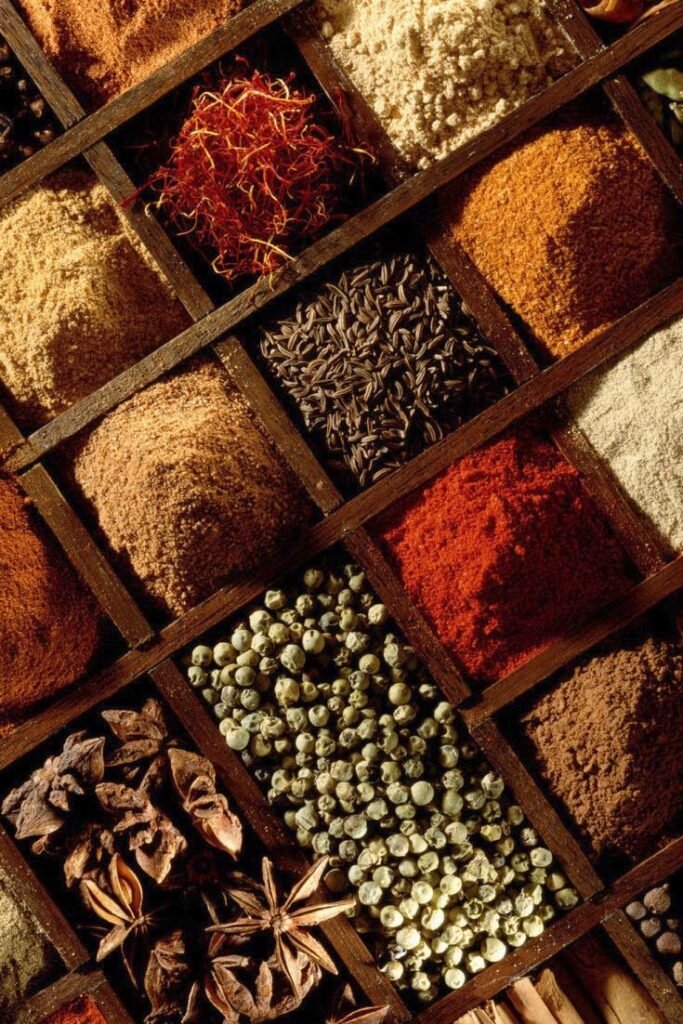
Aroma is the most reliable test. Fresh whole spices smell strong when you rub or crush a little. Ground spices should have bright, natural colour and no clumps. Check the packing date, since ground spices lose aroma within months. Buy whole spices in small amounts unless you use them heavily.
Checking cooking oil
- The seal and cap should be intact, with no leaks or dents.
- Check the packing date and best-before date.
- Look for the FSSAI logo and licence number on the label.
- Read the oil type carefully; some packs are blends.
- For cold-pressed oils, expect a natural aroma and colour; a rancid smell means the oil is old.
- Store oil away from heat and sunlight after buying.
Choosing the right oil for the job
Different oils suit different cooking. Groundnut oil handles frying and everyday cooking well. Gingelly oil is traditional for kuzhambu, podis and pickles. Coconut oil is used in Kerala-style dishes and some tempering. Sunflower and rice bran oils are lighter options for daily use. Many families keep two oils: one for daily cooking and one for specific dishes.
Read the label
On all packed groceries, check the product name, net weight, ingredients, packing and expiry dates, manufacturer details and FSSAI licence number. These details tell you what you are buying and who is responsible for it.
Buy from a store that moves stock
Fresh stock depends on steady sales. At Sarvajana Stores in Pappampatti, our rice, dals, spices and oils move every day for both homes and businesses, so stock is replaced regularly. We are FSSAI licensed, and you are welcome to check any item before buying.
Questions
Frequently asked questions
Good rice has uniform grains, few broken pieces, no dust, stones or insects, and a clean smell. Check the variety and packing date on packed rice.
Shop this at Sarvajana Stores