Quick answer
Every Indian kitchen needs an everyday rice, at least two or three dals such as toor, urad and moong, and a core set of spices: mustard seeds, cumin, turmeric, chilli powder, coriander powder, pepper, fenugreek and hing. With these, plus oil, salt and tamarind, you can cook most daily meals.
Key takeaways
- Rice, dal and spices form the base of most Indian meals.
- Toor, urad and moong dal cover the majority of everyday recipes.
- A small core set of spices is enough; add special masalas as needed.
- Buy whole spices in small amounts and store them airtight.
Why these three matter most
Rice, dal and spices are the foundation of Indian home cooking. Rice and dal together make a complete, filling meal, and spices turn simple ingredients into sambar, rasam, kootu and curry. If these are stocked, you can always cook something good even when the vegetable basket is low.
These food staples also store well, which makes them easy to buy once a month and forget about until it is time to restock.
Rice: the everyday varieties
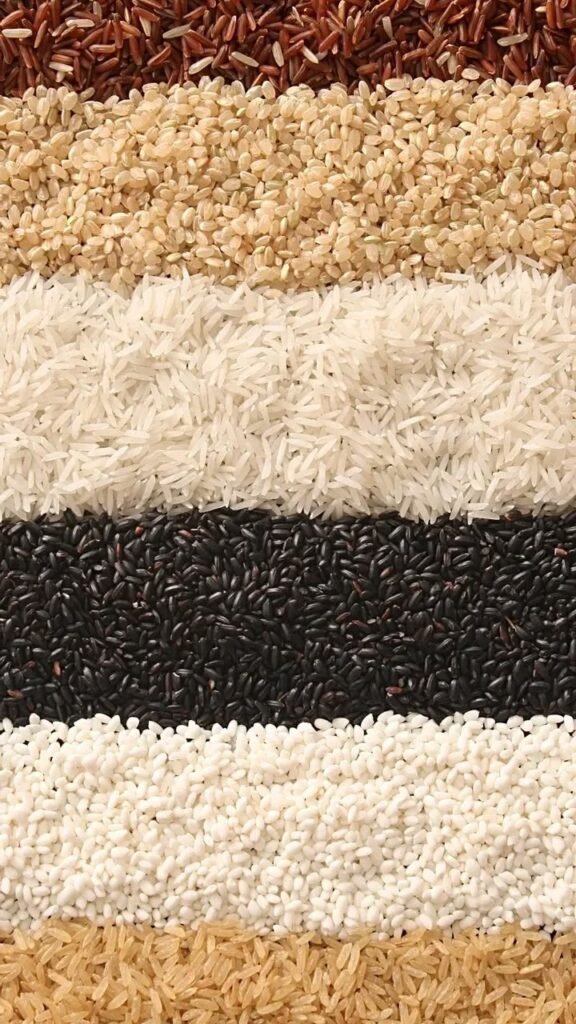
Most South Indian homes keep at least two kinds of rice: one for meals and one for batter.
- Ponni or sona masoori: soft, everyday rice for meals with sambar, rasam and curries.
- Idli rice: a parboiled rice for idli and dosa batter.
- Seeraga samba or basmati: for biryani, pulao and festive dishes.
- Brown rice, red rice or millets: if your family prefers higher-fibre options.
Dals and pulses: the protein base
Three dals cover the majority of everyday cooking, and a few whole pulses add variety through the week.
- Toor dal: for sambar, paruppu and dal fry.
- Urad dal: for idli and dosa batter, vada and tempering.
- Moong dal: for kootu, pongal, payasam and light dals.
- Chana dal and roasted gram: for tempering, chutneys and snacks.
- Whole green gram, chickpeas, rajma and black-eyed beans: for sundal, curries and salads.
Spices: a core set for daily cooking
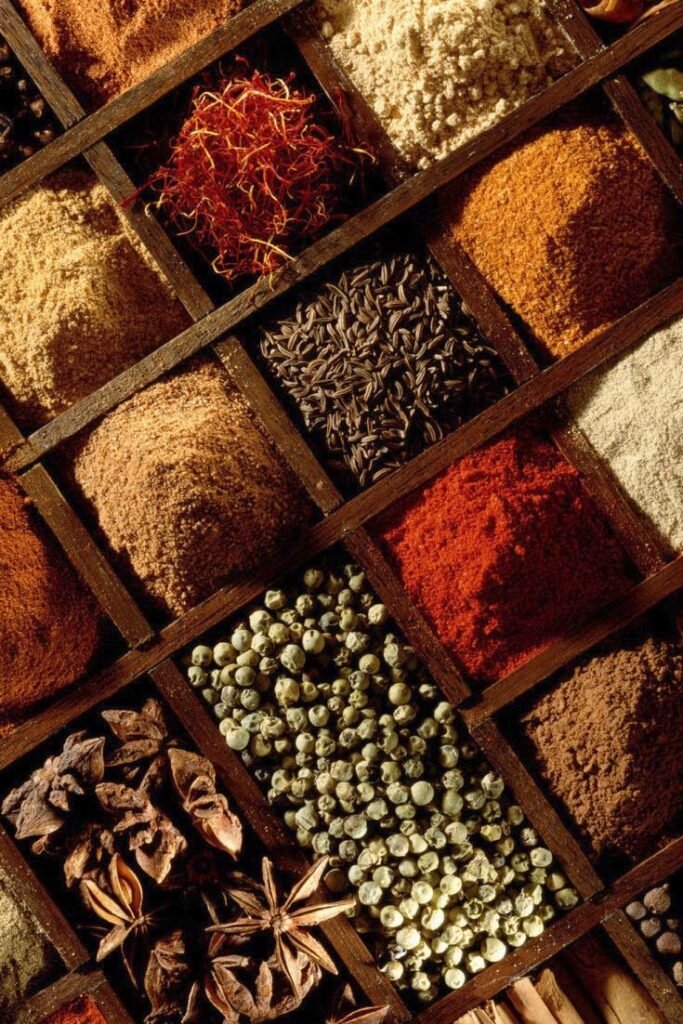
You do not need dozens of jars. These core spices cover most daily tempering and gravies.
- Mustard seeds and cumin seeds for tempering.
- Turmeric powder for colour and flavour in almost every dish.
- Chilli powder and dry red chillies for heat.
- Coriander powder or seeds for body in gravies and sambar.
- Black pepper for rasam and pepper dishes.
- Fenugreek (vendhayam) for batter, kuzhambu and pickles.
- Hing (asafoetida) for sambar, rasam and dal.
Ready masalas that save time
Many households also keep sambar powder, rasam powder, garam masala, chicken or meat masala and biryani masala. They are not strictly essential, but they make busy weekday cooking quicker and more consistent. Buy smaller packs if you use them occasionally, since ground masalas lose aroma over time.
The supporting staples
Rice, dal and spices work alongside a few other basics that should always be in stock: cooking oil (groundnut, gingelly or sunflower), salt, tamarind, jaggery, curry leaves, garlic, ginger, onions and tomatoes. Together, these are the cooking ingredients behind almost every Tamil meal.
How much to keep at home
For a family of four, a month's stock is roughly 20 to 25 kg of everyday rice, 2 to 3 kg of toor dal, 2 kg of urad dal and 1 kg of moong dal. Spices are used in small amounts, so 100 to 250 g of each core spice usually lasts a month or more. Adjust after your first month based on what ran out.
Where to buy these essentials
At Sarvajana Stores in Pappampatti, we stock rice varieties, dals, whole and ground spices and ready masalas in household packs and in bulk. Tell us the brand or variety you usually cook with and we will keep it ready, or send your list on WhatsApp for delivery.
Questions
Frequently asked questions
Rice, atta or millets, toor, urad and moong dal, cooking oil, salt, sugar, tamarind, and core spices such as mustard, cumin, turmeric, chilli, coriander, pepper, fenugreek and hing.
Shop this at Sarvajana Stores