Quick answer
A typical monthly grocery list for an Indian family covers rice and grains, dals and pulses, cooking oil, spices and masalas, sugar, salt and tea or coffee, breakfast items, snacks, and household essentials such as soap and detergent. Buy these once a month and buy vegetables, milk and other fresh items weekly or daily.
Key takeaways
- Split your list into monthly staples, weekly fresh items and occasional purchases.
- Use the quantities below as a starting point and adjust after one or two months.
- Keep the list on your phone so you can reuse it and send it easily.
- Check what you already have before you shop to avoid duplicates.
How to use this checklist
Every family eats differently, so treat this list as a template rather than a rule. The quantities below are rough starting points for a family of four that cooks most meals at home and eats rice daily, as many South Indian homes do. If you cook more chapati, shift some rice quantity to atta. If you have guests often, add a little extra.
After your first month, note what ran out early and what was left over. Adjust your list once, and from then on your monthly grocery shopping becomes much quicker.
Rice, grains and flours
Grains are the base of the list and usually the biggest item by weight.
- Raw rice for daily meals (ponni or sona masoori): about 20 to 25 kg.
- Idli rice for batter: 4 to 5 kg if you make idli and dosa regularly.
- Wheat atta: 2 to 5 kg depending on how often you make chapati.
- Rava (sooji): 1 kg.
- Rice flour or ragi flour: 1 kg each, if used.
- Poha (aval) and vermicelli (semiya): 500 g each.
Dals and pulses
Dals are your main source of protein in vegetarian meals, so keep a steady stock.
- Toor dal: 2 to 3 kg.
- Urad dal (whole or split, for batter and tempering): 2 kg.
- Moong dal: 1 kg.
- Chana dal and roasted gram (pottukadalai): 500 g each.
- Whole pulses such as green gram, chickpeas and rajma: 500 g each.
Oils, sugar, salt and beverages
- Cooking oil (groundnut, sunflower or gingelly): 3 to 4 litres.
- Ghee: 250 to 500 g.
- Sugar: 2 to 3 kg.
- Jaggery: 500 g to 1 kg.
- Salt (crystal and powdered): 1 to 2 kg.
- Tea or coffee powder: 500 g to 1 kg.
Spices and masalas
Spices last longer than a month, but keeping track of them on your monthly list avoids running out mid-recipe.
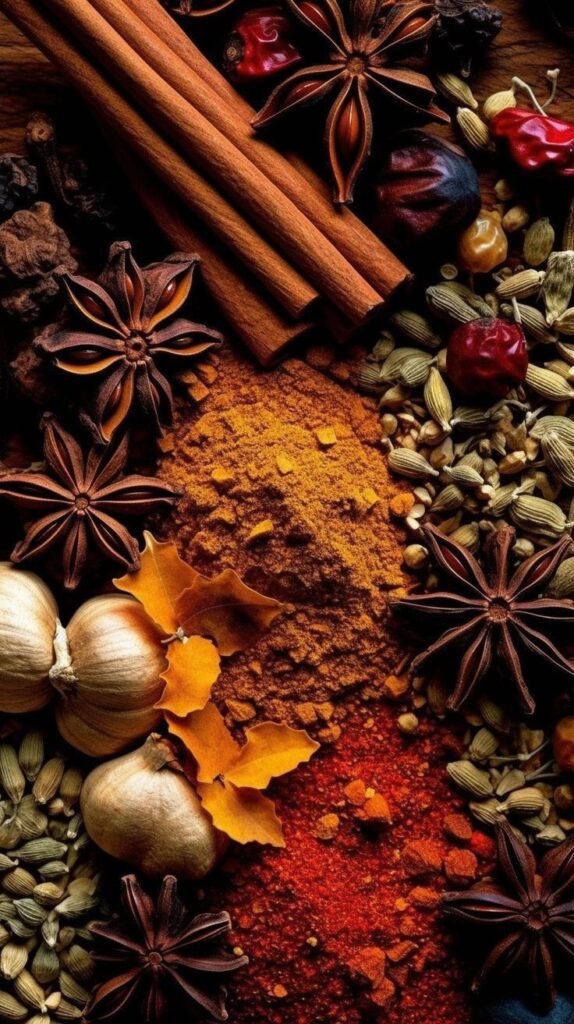
- Mustard seeds, cumin (jeera), fenugreek (vendhayam) and pepper.
- Turmeric, chilli and coriander powder.
- Sambar powder, rasam powder and garam masala.
- Tamarind: 500 g to 1 kg.
- Dry red chillies, hing (asafoetida) and cardamom.
Breakfast, snacks and packaged foods
- Biscuits and rusk for tea time.
- Breakfast cereals or oats if your family eats them.
- Pickles and papad.
- Ready mixes for quick meals.
- Health drinks or malt for children, if used.
Household essentials
It is easy to forget non-food items, then make an extra trip for them. Add them to the same list.
- Bath soap, shampoo, toothpaste and toothbrushes.
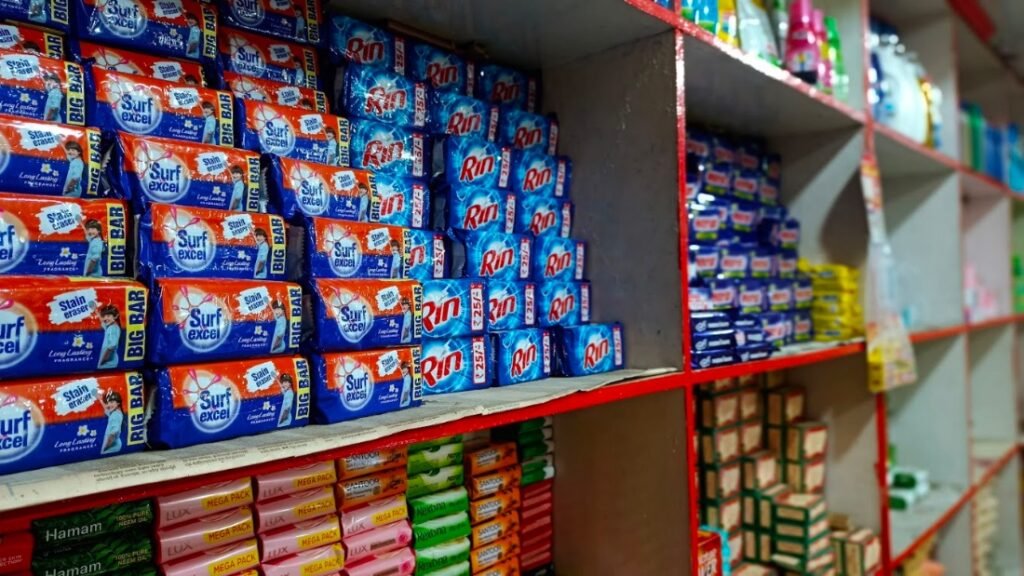
- Detergent powder or liquid, and dishwash bar or liquid.
- Floor cleaner and toilet cleaner.
- Pooja items: camphor, agarbatti, oil for the lamp.
- Garbage bags, matchbox and kitchen cloths.
What to buy weekly instead
Vegetables, greens, curd, paneer, eggs and fruits are best bought weekly or more often. Milk and bread are usually daily or every other day. Keeping these off your monthly list prevents waste and keeps your fridge from overflowing.
Make your monthly list easy to repeat
Once your list works, save it on your phone. Each month, check your shelves, tick what you need and send the list in one go. At Sarvajana Stores in Pappampatti, many families simply send their monthly grocery list on WhatsApp; we pack it and arrange delivery around Pappampatti.
Questions
Frequently asked questions
A family of four that eats rice twice a day typically uses around 20 to 25 kg a month. Families who eat more chapati or millets will need less.
Shop this at Sarvajana Stores