Quick answer
To save money on grocery shopping, plan meals before you shop, stick to a list, buy staples like rice, dal and oil in sensible larger packs, choose seasonal vegetables, compare price per kg, cook at home more, and use up what you already have before buying more.
Key takeaways
- Food waste is hidden spending; using what you buy is the first saving.
- Seasonal vegetables are usually cheaper and fresher.
- Larger packs only save money for items you use steadily.
- Track spending for two months to see where the money goes.
Start with what you waste
The quickest way to cut your grocery bill is to stop paying for food you throw away. Wilted greens, spoiled tomatoes, stale snacks and spices that lost their aroma all add up. Before looking for cheaper products, look at what leaves your kitchen unused.
Buying fewer delicate vegetables at a time, storing staples properly and cooking leftovers into the next meal can save more than any discount.
Plan meals and shop with a list
A list is the simplest budgeting tool there is. Plan roughly what you will cook for the week, check what you already have, and list only what is missing. Stick to it in the shop. If something tempting is not on the list, ask yourself whether you really need it this month.
Buy staples smartly
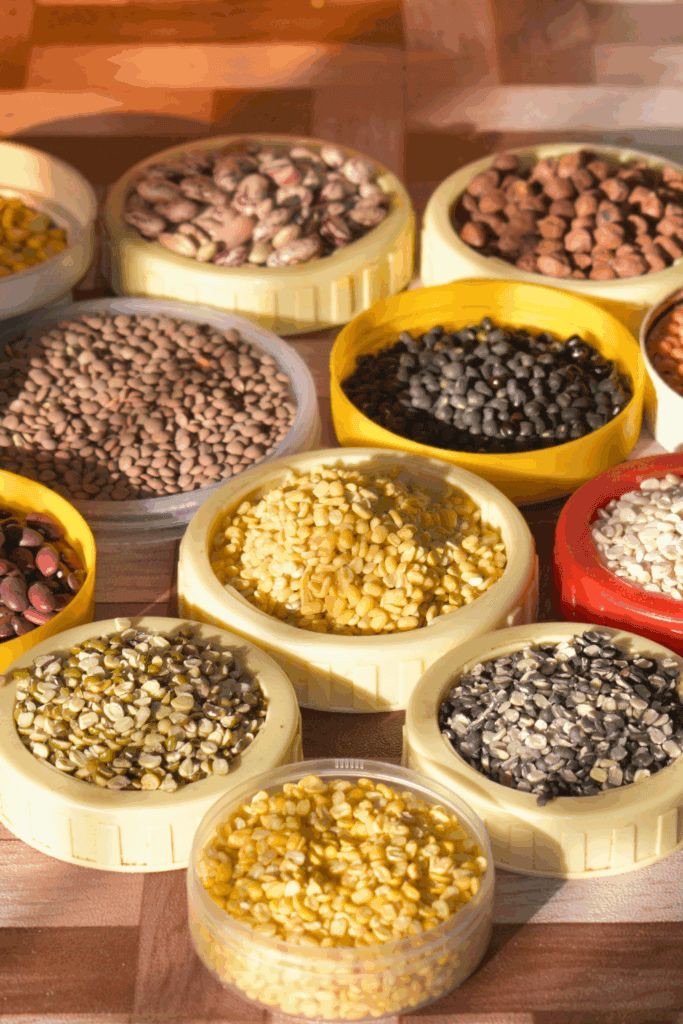
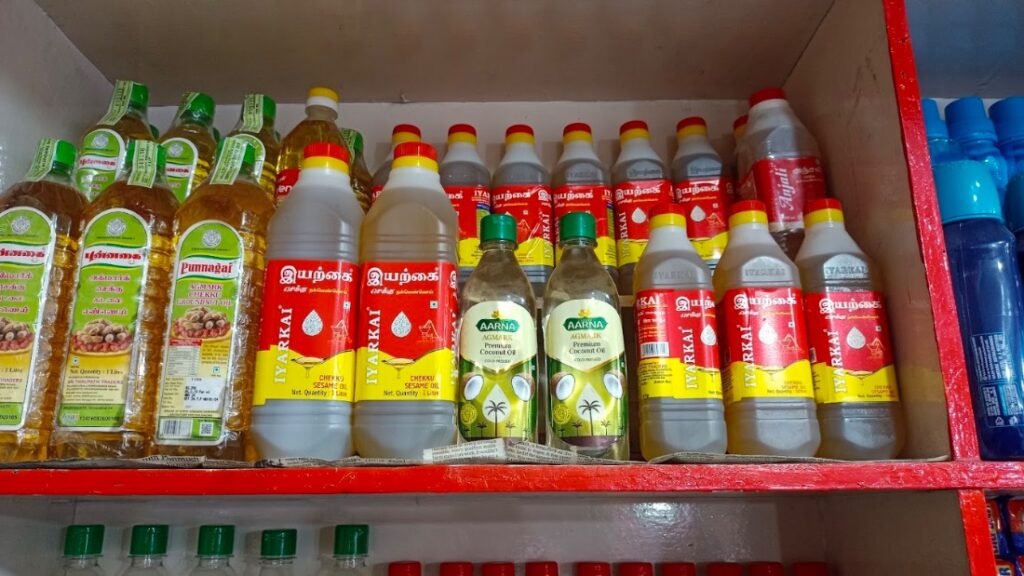
Rice, dal, oil, sugar and atta are used every day, so they make up a large part of your bill. A few habits help here.
- Buy these in larger packs if you have good storage and use them steadily.
- Compare price per kg or litre, not just the pack price.
- Stick to one or two reliable brands instead of trying new ones each month.
- Store them airtight so nothing is lost to insects or moisture.
Choose seasonal and local vegetables
Vegetables that are in season locally are more plentiful, so they are usually cheaper and fresher. Country vegetables such as gourds, greens, brinjal and drumstick are often better value than vegetables brought in from far away. Build your weekly menu around what is plentiful rather than fixing the menu first.
Cut down on packaged and ready-made foods
Ready snacks, instant mixes and packaged drinks are convenient, but they cost far more per serving than home-made versions. You do not have to give them up completely. Try replacing a few: roasted gram or sundal instead of packaged snacks, home-made batter instead of ready batter, and lime juice instead of bottled drinks.
Use what you have first
Once a week, look at your fridge and shelves and cook from what needs using. Half a cabbage, a few carrots and some dal can make a kootu. Leftover rice becomes lemon rice or curd rice. This simple habit stretches every rupee you spend.
Make fewer, planned trips
Each trip to a shop is a chance to buy extra. One main monthly shop and one weekly vegetable top-up is enough for most families. Sending your list to a local store for delivery can help too, since you are less likely to add items you did not plan for.
Track spending for two months
Keep your bills for two months and group them roughly: staples, vegetables, snacks, household items. You will quickly see where the money goes and which category has room to cut. Then set a realistic monthly limit based on actual numbers rather than guesses.
Shop local and ask questions
A local grocery store that knows you can point you to better-value packs, tell you which vegetables are plentiful this week and help you put together a sensible monthly list. At Sarvajana Stores in Pappampatti, we are happy to help you plan a list that fits your budget.
Questions
Frequently asked questions
Plan meals, shop with a list, reduce food waste, buy staples in sensible larger packs, choose seasonal vegetables, compare price per kg, and cut back on packaged snacks and ready-made foods.
Shop this at Sarvajana Stores