Quick answer
Keep leafy greens, beans, carrots, cabbage and cauliflower in the fridge, wrapped loosely in a dry cloth or paper inside a container. Keep onions, potatoes, garlic, pumpkin and whole gourds in a cool, dry, airy place outside the fridge. Store vegetables unwashed and remove anything that starts to rot.
Key takeaways
- Not every vegetable belongs in the fridge; onions, potatoes and garlic do better outside.
- Moisture is the main enemy. Store vegetables dry and unwashed.
- Wrap greens in a dry cloth or paper and keep them in a box or bag.
- Check stored vegetables every two days and use the oldest first.
Why vegetables spoil
Vegetables keep living after they are picked. They keep breathing, lose water and slowly break down. Heat speeds this up, and so does too much moisture, which encourages mould and rot. Good storage simply slows these processes down.
In a warm climate like Coimbatore, vegetables left in a hot kitchen can wilt within a day. With a little care, the same vegetables can stay fresh for most of the week.
Vegetables that should go in the fridge
These vegetables lose freshness quickly at room temperature and do best in the vegetable drawer of your fridge.
- Leafy greens: keerai, coriander, mint, spinach and curry leaves.
- Beans, cluster beans, broad beans and peas.
- Carrots, beetroot and radish (remove the leafy tops first).
- Cabbage, cauliflower and capsicum.
- Okra, brinjal and cucumber, ideally for a few days only.
- Cut pieces of any vegetable, covered in a box.
Vegetables that should stay out of the fridge
Some vegetables are better in a cool, dry and shaded corner of the kitchen with good air flow. The fridge can make them soft, sprouty or change their taste.
- Onions and small onions: keep them in a basket, away from potatoes.
- Potatoes: in a dark, dry place so they do not turn green or sprout.
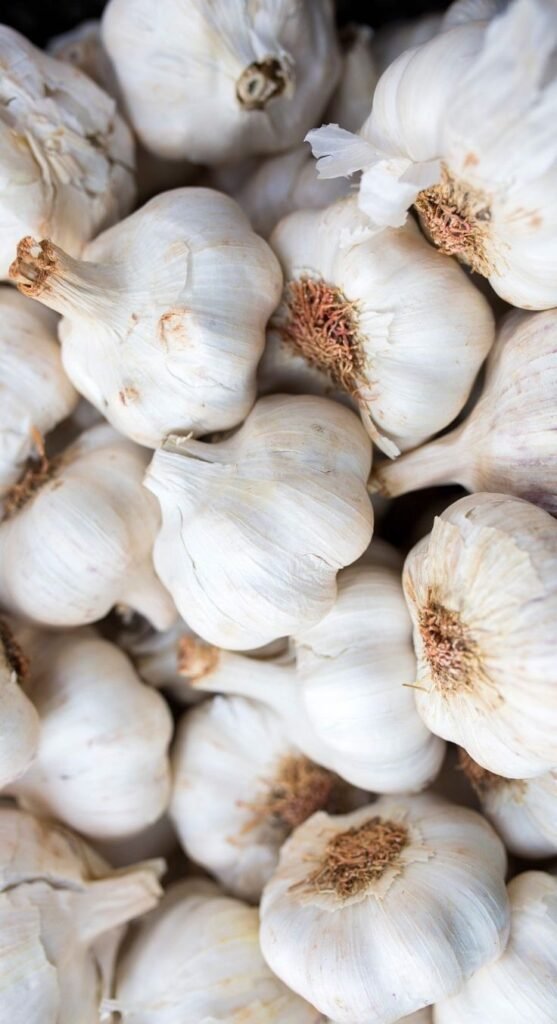
- Garlic and ginger: in an open basket or a mesh bag.
- Whole pumpkin, ash gourd and other hard-skinned gourds.
- Tomatoes until ripe; move them to the fridge only if they are fully ripe and you need a couple more days.
- Raw bananas and coconuts.
How to keep leafy greens fresh
Greens need special care. Before storing, remove any rubber band, pick out yellow or damaged leaves and shake off excess water. Do not wash them yet.
Wrap the bunch loosely in a dry cotton cloth or kitchen paper and place it in a container or an open bag in the fridge. The cloth absorbs extra moisture while keeping the leaves from drying out. Coriander and mint last longer if you trim the stems and stand them in a little water in a jar, with a loose cover over the leaves.
Curry leaves can be stripped from the stem, dried with a cloth and kept in an airtight box in the fridge for up to two weeks.
Simple storage habits that cut waste
A few small habits make a big difference to how long your vegetables last.
- Store vegetables unwashed and wash just before cooking.
- Never pack vegetables tightly; they need some air.
- Keep onions and potatoes apart, as each makes the other spoil faster.
- Remove any vegetable that starts to rot so it does not spread.
- Use the oldest vegetables first and keep the newest at the back.
- Do not keep vegetables in sealed plastic bags at room temperature; they sweat and rot.
How long common vegetables usually last
These are rough guides for vegetables stored well at home. Actual life depends on how fresh they were when you bought them.
Leafy greens last one to three days. Beans, okra and brinjal last three to five days in the fridge. Carrots, beetroot, cabbage and capsicum last about a week. Gourds last four to seven days. Onions, potatoes and garlic can last two to four weeks in a cool, dry place, and a whole pumpkin can last much longer.
Buy smarter so storage is easier
The best storage tip is to buy the right amount. Buying delicate vegetables twice a week and hardy ones once a week means less sits around waiting. If you shop at Sarvajana Stores in Pappampatti, you can pick up a small top-up of greens and tomatoes mid-week, or send a short list on WhatsApp for delivery.
Questions
Frequently asked questions
No. Onions release moisture and gases that make potatoes sprout faster, and potatoes add moisture that makes onions soft. Store them in separate baskets.
Shop this at Sarvajana Stores