Quick answer
Start with the guest count and the menu for each meal. Estimate quantities per person for rice, dal, oil, vegetables and drinking water, add a margin of about 10 percent, and give the full list to one supplier a week ahead. Arrange delivery to the venue and keep a contact ready for top-ups on the day.
Key takeaways
- Guest count and menu decide everything; fix them first.
- Use per-person estimates, then add a small margin.
- One supplier for groceries, vegetables and water simplifies the day.
- Order early and plan delivery timing with your cook.
Start with guests and menu
Whether it is a birthday, a naming ceremony, an anniversary or a family get-together, two things decide your grocery list: how many people will eat, and what you will serve at each meal. Fix an approximate guest count and a menu for breakfast, lunch and dinner before you calculate anything.
If a cook or caterer is preparing the food, ask them for their list. They usually know their quantities well, and you can focus on sourcing.
Rough quantities per person
These are approximate figures for one full South Indian meal and work as a starting point. Your cook's estimates should take priority.
- Cooked rice: raw rice of about 100 to 125 g per person per meal.
- Dal for sambar or paruppu: about 20 to 30 g per person.
- Vegetables: about 150 to 200 g per person across all dishes.
- Cooking oil: about 15 to 25 ml per person, depending on fried items.
- Curd: about 75 to 100 g per person if curd rice or raita is served.
- Drinking water: at least 500 ml to 1 litre per person for a few hours.
Building the full list
Group your list so nothing is missed.
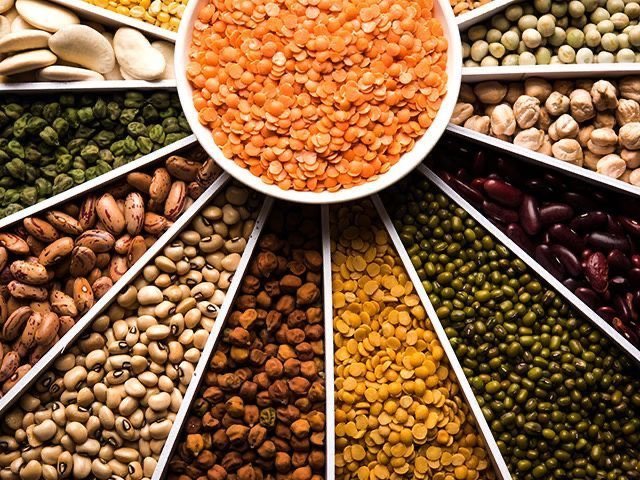
- Rice, dals, flours and rava.
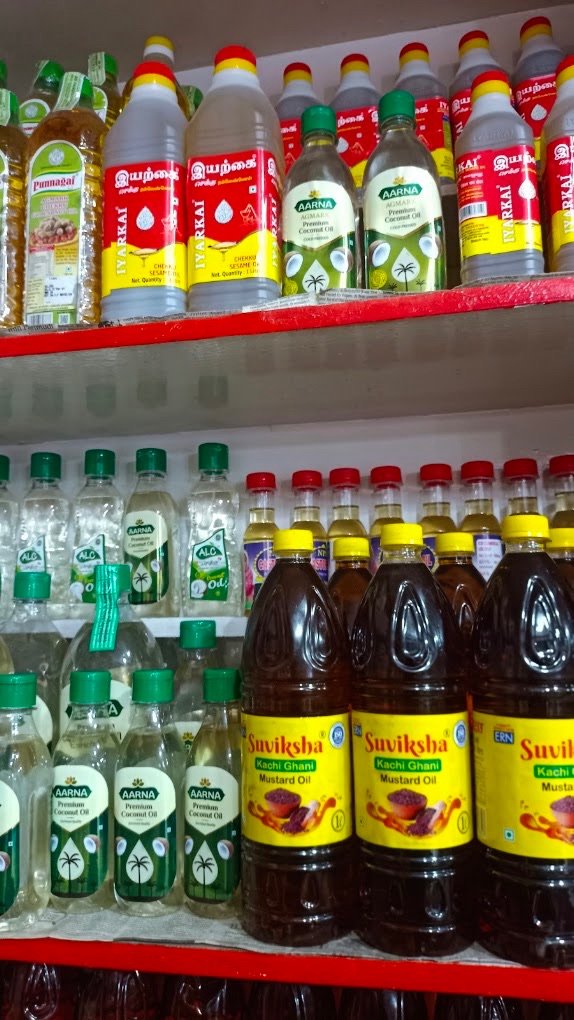
- Oils, ghee, sugar, jaggery, salt.
- Spices, masalas, tamarind.
- Vegetables, coconuts, greens, lime and curry leaves.
- Dairy: milk, curd, paneer.
- Sweets ingredients: cashews, raisins, cardamom, vermicelli.
- Drinking water: bottles for guests, cans for the kitchen.
- Disposables: banana leaves, plates, cups, tissue and garbage bags.
Add a sensible margin
Guest numbers almost always change. Add around 10 percent to rice, dal, oil and water so you do not run short. For vegetables, a smaller margin is fine, since you can top up on the day.
Order early from one supplier
Give your full list to a supplier at least a week ahead, and confirm a few days before. Using one supplier for groceries, vegetables and water means one quote, one delivery plan and one person to call if something changes. It also avoids last-minute running around.
Plan delivery to the venue
Agree on a delivery time with your cook. Dry groceries can usually arrive a day before. Vegetables are best delivered early on the day or the evening before, and water close to the start of the event. Keep the supplier's number handy for any top-ups.
After the function
Unopened packs of dry groceries can be used at home over the following weeks. Note what ran short and what was left over; it makes the next function easier to plan.
Function provisions in Pappampatti
Sarvajana Stores supplies groceries, vegetables and packaged drinking water for family functions in Pappampatti and nearby. Share your date, venue and guest count on WhatsApp and we will help you work out quantities and delivery.
Questions
Frequently asked questions
For one full meal, about 10 to 12.5 kg of raw rice is a common starting estimate for 100 guests, plus a margin of around 10 percent. Your cook's estimate should take priority.
Shop this at Sarvajana Stores